The metal of an engagement ring serves as the foundation, shaping the piece's overall look. It serves as a backdrop for the gemstones, influencing how colours appear and how the ring is perceived on the hand. The choice of metal can enhance or soften the stone's appearance while also affecting durability and everyday wear.
Among the many engagement ring metal types, gold is one of the most favoured choices, valued for its rich history and emotional significance. Over time, different variations of gold have emerged, each offering a distinct look and character.
The yellow gold vs white gold engagement ring comparison is common, with each metal offering its own aesthetic. Understanding both precious metals helps determine which is best for engagement rings.
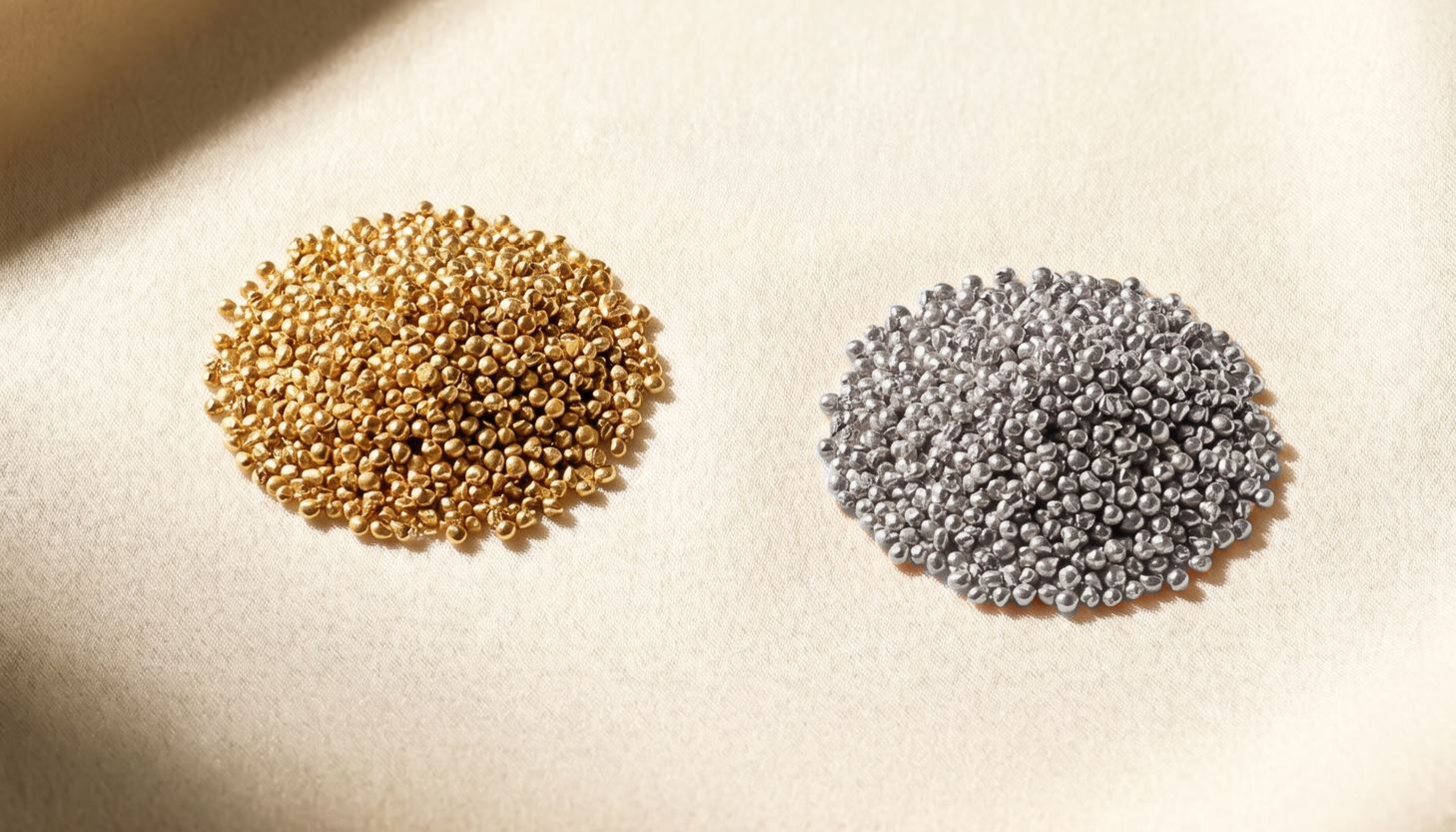
The enduring warmth of yellow gold
Gold has long been valued for its natural beauty, malleability and lasting appeal. Among its variations, yellow gold is the closest in appearance to pure gold, retaining its rich, warm tone through a blend of copper and silver. This combination preserves its classic golden hue with improved strength, making it suitable for everyday wear.
Yellow gold engagement rings for women carry this warmth into design, offering a traditional look. Its tone enhances the ring's overall presence, adding depth and character while complementing a wide range of gemstones and styles. Low maintenance and timeless in appeal, yellow gold remains a reliable choice.
The modern elegance of white gold
White gold is created by blending pure gold with white metals such as palladium or nickel, resulting in a cool-toned metal with a naturally white appearance. It is finished with a rhodium coating to enhance its brightness and give it a sleek, polished surface.
A white gold engagement ring reflects this contemporary character through its clean, luminous finish. Its neutral tone allows the gemstone to stand out while adding a crisp look to any design. White gold has become a popular choice for those seeking a modern aesthetic with lasting versatility.
Comparing yellow gold & white gold
| Comparison point |
Content |
| Introduction |
Choosing between yellow gold vs white gold engagement rings depends on a balance of style, practicality and personal preference. Each metal offers distinct qualities that influence how the ring looks and wears over time. |
| Durability |
Due to its high gold content, yellow gold is slightly soft but is durable and well suited for daily use. For an engagement ring, consider stronger varieties such as 9K or 18K. White gold, strengthened with additional alloys, tends to be more scratch and wear resistant, making it a practical choice for long-term use. |
| Maintenance |
Yellow gold is relatively low maintenance, retaining its natural colour and lustre without additional treatments. White gold requires periodic rhodium plating to maintain its bright, polished finish and keep its appearance consistent over time. |
| Compatibility with diamonds |
The silvery hue of white gold complements clear diamonds perfectly, enhancing their brilliance by reflecting light in a similar tone and creating a seamless, bright appearance. Yellow gold, on the other hand, offers a striking contrast that makes the stone stand out distinctly in a yellow gold diamond ring. |
| Suitability for coloured gemstones |
For gemstone engagement rings, yellow gold pairs beautifully with deep coloured gemstones such as emeralds, rubies and sapphires, showcasing their richness. White gold complements cooler tones like topaz, aquamarine and amethyst, creating a crisp look. |
| Skin tone compatibility |
The hue of yellow gold tends to suit warm skin tones with yellow and olive undertones, maintaining harmony. White gold complements cooler skin tones with pink and blue undertones. Those with neutral skin tones can wear both metals comfortably. |
| Style and versatility |
Both metals are highly adaptable, allowing them to work across a wide range of engagement ring designs, but they are especially suitable for specific styles. Yellow gold leans toward classic, traditional aesthetics, while white gold aligns with modern, minimalist designs. |
How the metal choice transforms the same design
Even with the same setting and stone, the choice of metal can completely transform how a ring looks. Our Camilla is a perfect example, featuring a round centre diamond set in a prong setting, paired with a split band that combines a plain metal strand with a diamond-studded one.
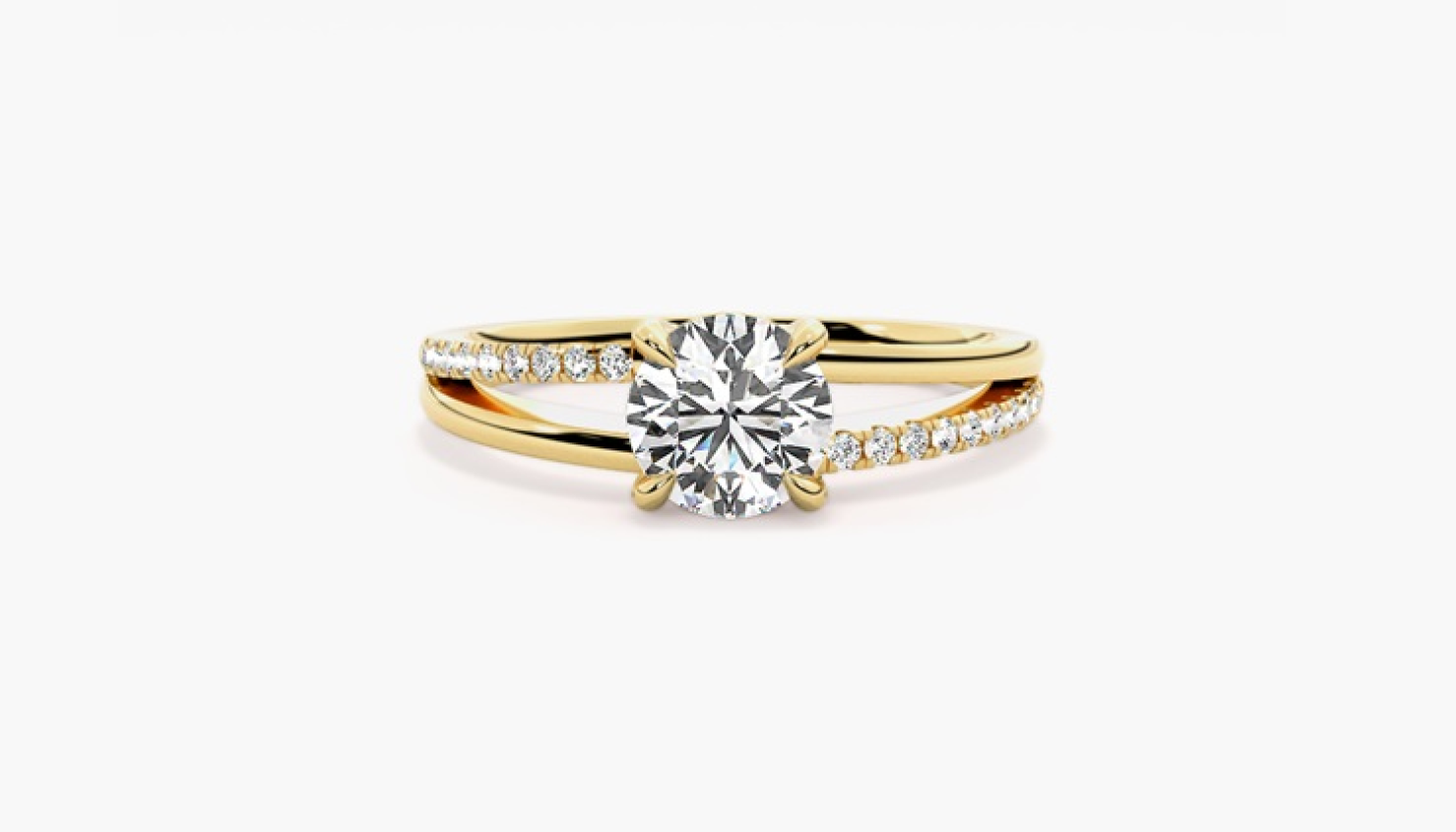
As a yellow gold solitaire engagement ring with side stones, the design takes on a warm, classic character. The rich tone of the metal contrasts with the diamond, making the centre stone stand out prominently. The combination of the plain and pavé bands is defined with each element clearly visible, adding depth.
The same design appears seamless and contemporary as a white gold engagement ring. The metal blends closely with the diamonds, adding to their sparkle and creating a unified, luminous effect. The contrast between the plain and diamond-set bands is subtle, resulting in a clean appearance.
Find the metal that feels right
The best metal for your engagement ring depends on how you want your ring to look, feel and fit into your everyday life. From warmth and contrast to brightness and refinement, both gold varieties bring their own character, leaving the decision to you.
At Austen & Blake, we offer a wide selection of yellow gold and white gold engagement rings, designed to suit a variety of styles. With customisation options available, you can select the metal that best complements your preferences and the overall design. Our experts are always there to guide you through the process, helping you compare options and choose the best metal for your engagement ring.


 By Kat Hill

 link copied





 Request a virtual appointment

The metal of an engagement ring serves as the foundation, shaping the piece's overall look. It serves as a backdrop for the gemstones, influencing how colours appear and how the ring is perceived on the hand. The choice of metal can enhance or soften the stone's appearance while also affecting durability and everyday wear.
Among the many engagement ring metal types, gold is one of the most favoured choices, valued for its rich history and emotional significance. Over time, different variations of gold have emerged, each offering a distinct look and character.
The yellow gold vs white gold engagement ring comparison is common, with each metal offering its own aesthetic. Understanding both precious metals helps determine which is best for engagement rings.
The enduring warmth of yellow gold
Gold has long been valued for its natural beauty, malleability and lasting appeal. Among its variations, yellow gold is the closest in appearance to pure gold, retaining its rich, warm tone through a blend of copper and silver. This combination preserves its classic golden hue with improved strength, making it suitable for everyday wear.
Yellow gold engagement rings for women carry this warmth into design, offering a traditional look. Its tone enhances the ring's overall presence, adding depth and character while complementing a wide range of gemstones and styles. Low maintenance and timeless in appeal, yellow gold remains a reliable choice.
The modern elegance of white gold
White gold is created by blending pure gold with white metals such as palladium or nickel, resulting in a cool-toned metal with a naturally white appearance. It is finished with a rhodium coating to enhance its brightness and give it a sleek, polished surface.
A white gold engagement ring reflects this contemporary character through its clean, luminous finish. Its neutral tone allows the gemstone to stand out while adding a crisp look to any design. White gold has become a popular choice for those seeking a modern aesthetic with lasting versatility.
Comparing yellow gold & white gold
How the metal choice transforms the same design
Even with the same setting and stone, the choice of metal can completely transform how a ring looks. Our Camilla is a perfect example, featuring a round centre diamond set in a prong setting, paired with a split band that combines a plain metal strand with a diamond-studded one.
As a yellow gold solitaire engagement ring with side stones, the design takes on a warm, classic character. The rich tone of the metal contrasts with the diamond, making the centre stone stand out prominently. The combination of the plain and pavé bands is defined with each element clearly visible, adding depth.
The same design appears seamless and contemporary as a white gold engagement ring. The metal blends closely with the diamonds, adding to their sparkle and creating a unified, luminous effect. The contrast between the plain and diamond-set bands is subtle, resulting in a clean appearance.
Find the metal that feels right
The best metal for your engagement ring depends on how you want your ring to look, feel and fit into your everyday life. From warmth and contrast to brightness and refinement, both gold varieties bring their own character, leaving the decision to you.
At Austen & Blake, we offer a wide selection of yellow gold and white gold engagement rings, designed to suit a variety of styles. With customisation options available, you can select the metal that best complements your preferences and the overall design. Our experts are always there to guide you through the process, helping you compare options and choose the best metal for your engagement ring.